Research Projects
Development of the MEDomics platform
Open-source platform for integrative multi-omics modeling that supports precision medicine workflows across research teams.
View Project
MEDiml – Medical Image analysis with Machine Learning
Open-source, IBSI-compliant radiomics platform, available as a Python package and a no-code desktop application.
View Project
Predictive Performance Precision Analysis in Medicine (MED3pa)
Methodology to identify low-confidence predictions and patient profiles where clinical models are unreliable.
View Project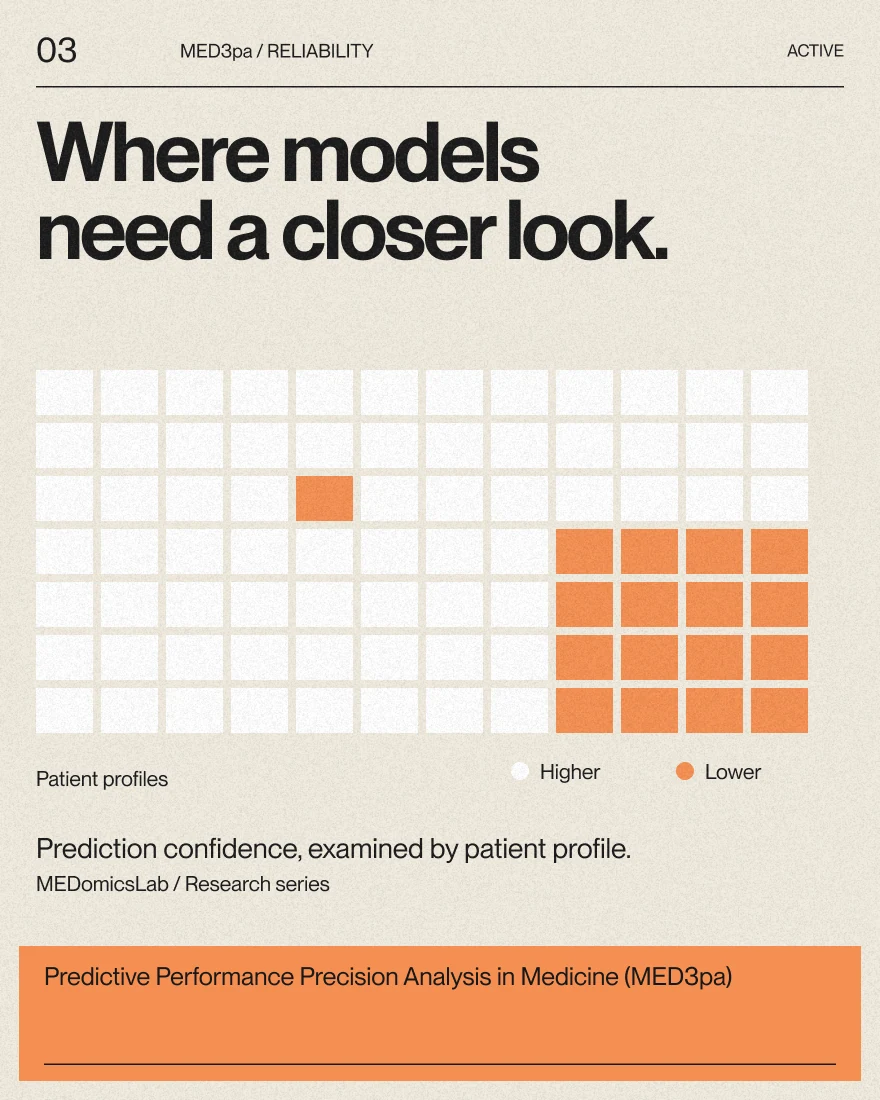
Predictive modeling based on multi-level graphical representations of multimodal healthcare data
Multi-level graph neural networks and reinforcement learning to model multimodal patient data and federated training.
View Project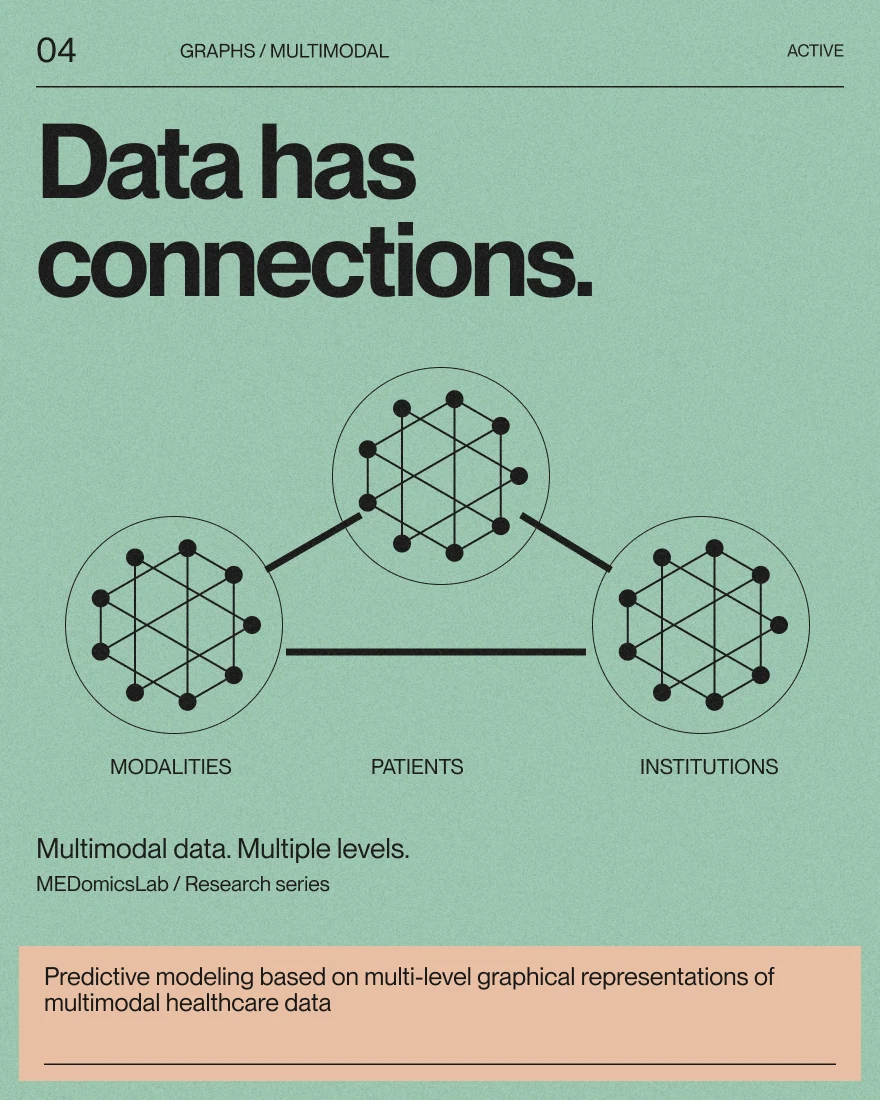
Multimodal fusion of histopathology and clinical data for survival prediction in oncology
Fusion of whole-slide histopathology images and clinical data to build accurate, well-calibrated and interpretable survival models for cancer patients.
View Project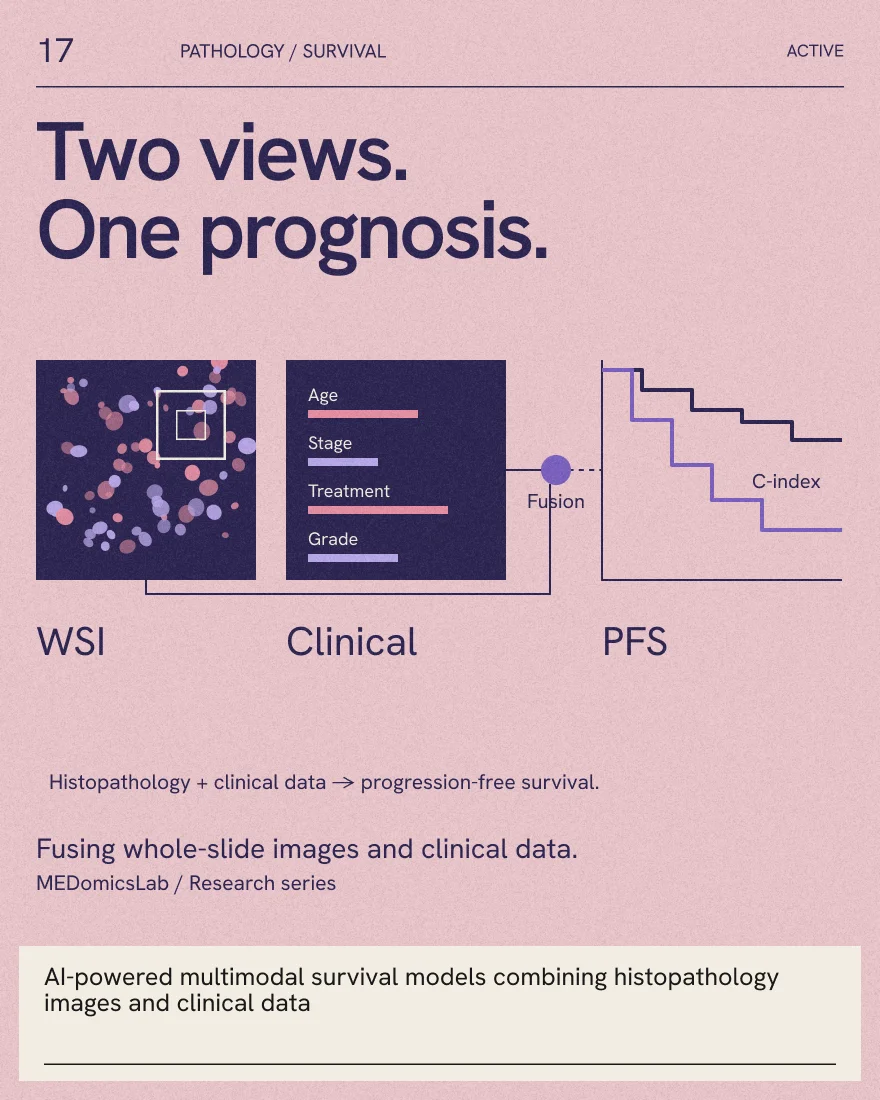
Optimizing MEDomics platform: Enhancing Usability for Clinical AI Adoption
Master's project focused on improving MEDomics platform usability, workflows, and clinical validation.
View Project
Predicting adverse radiation effects of stereotactic radiosurgery for brain metastases using radiomics and machine learning
Simple radiomic model built from pre-treatment brain MRI and dosimetry maps to identify patients at high risk of adverse radiation effects after stereotactic radiosurgery.
View Project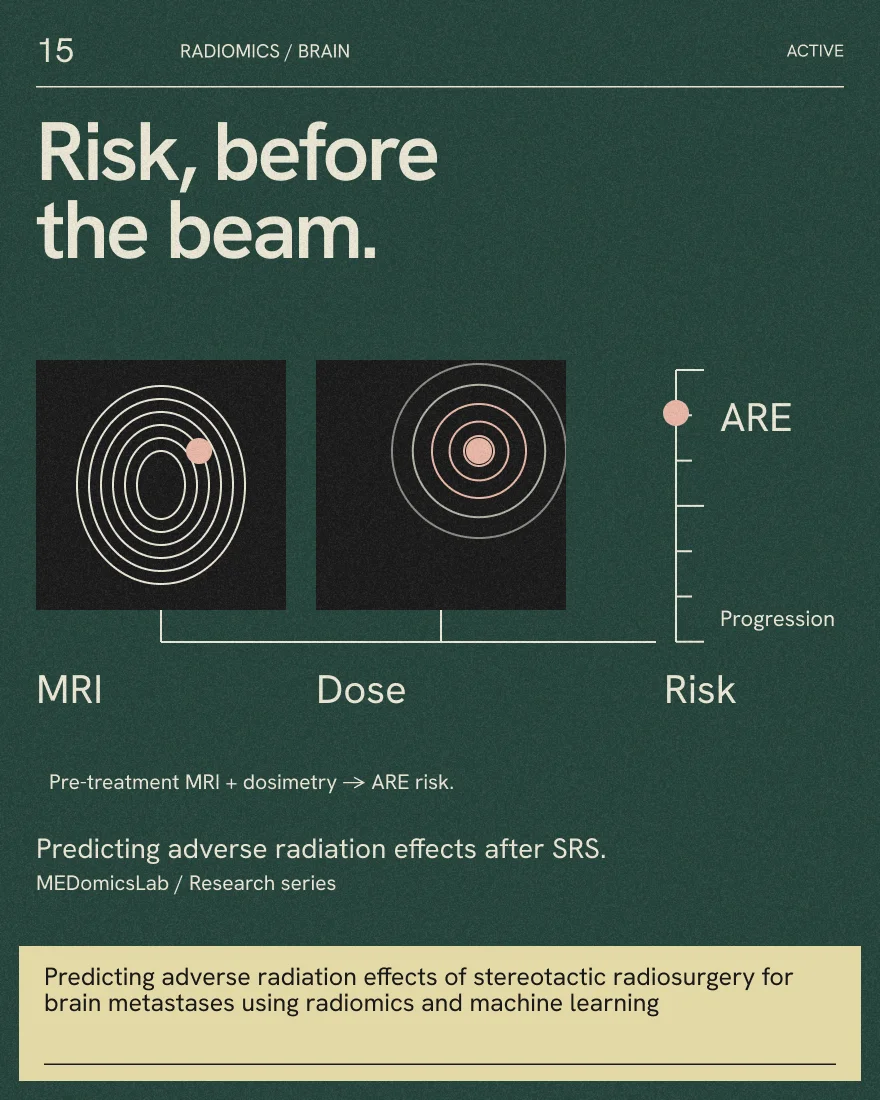
MEDfl: A Collaborative Framework for Federated Learning in Medicine
Open-source federated learning framework that lets hospitals train clinical AI models together without moving patient data, available as a Python package and a no-code desktop application.
View Project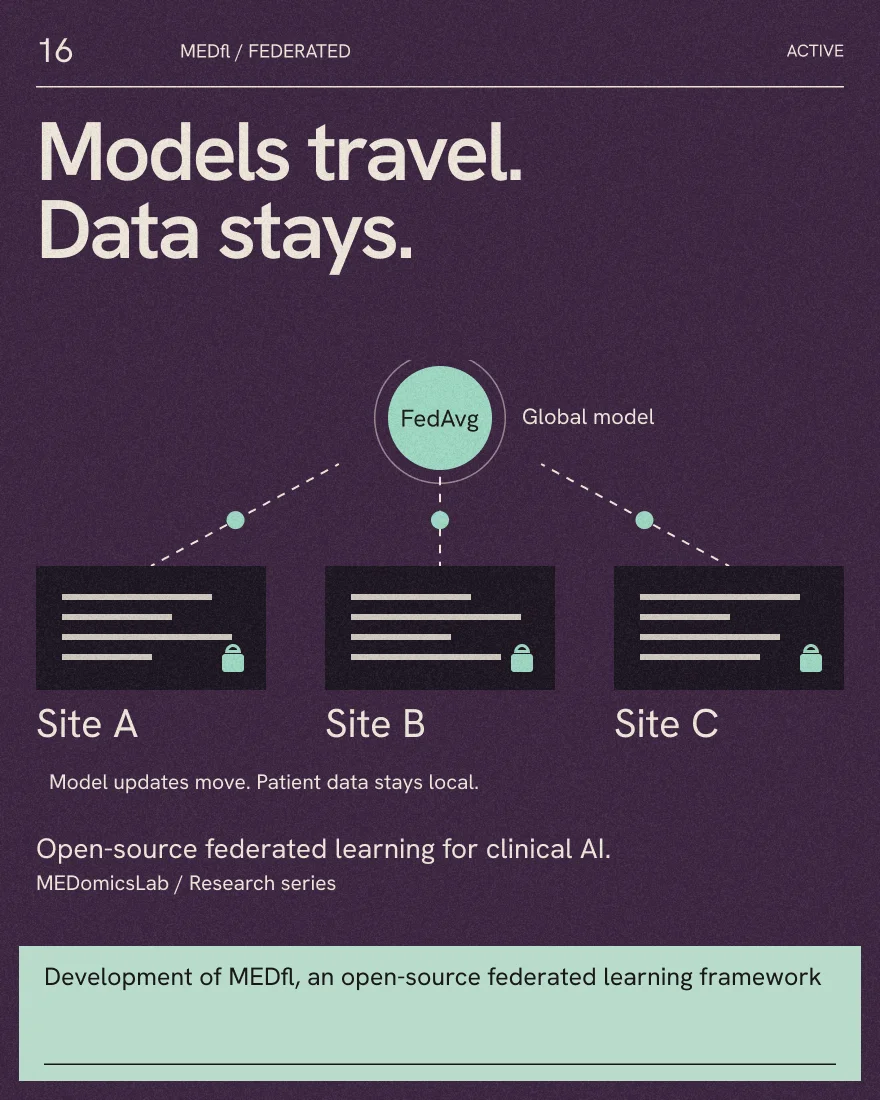
Refactoring of the MEDiml Python package
Refactoring of the MEDiml codebase, its docstrings and documentation, which also started the first version of the MEDiml app.
View Project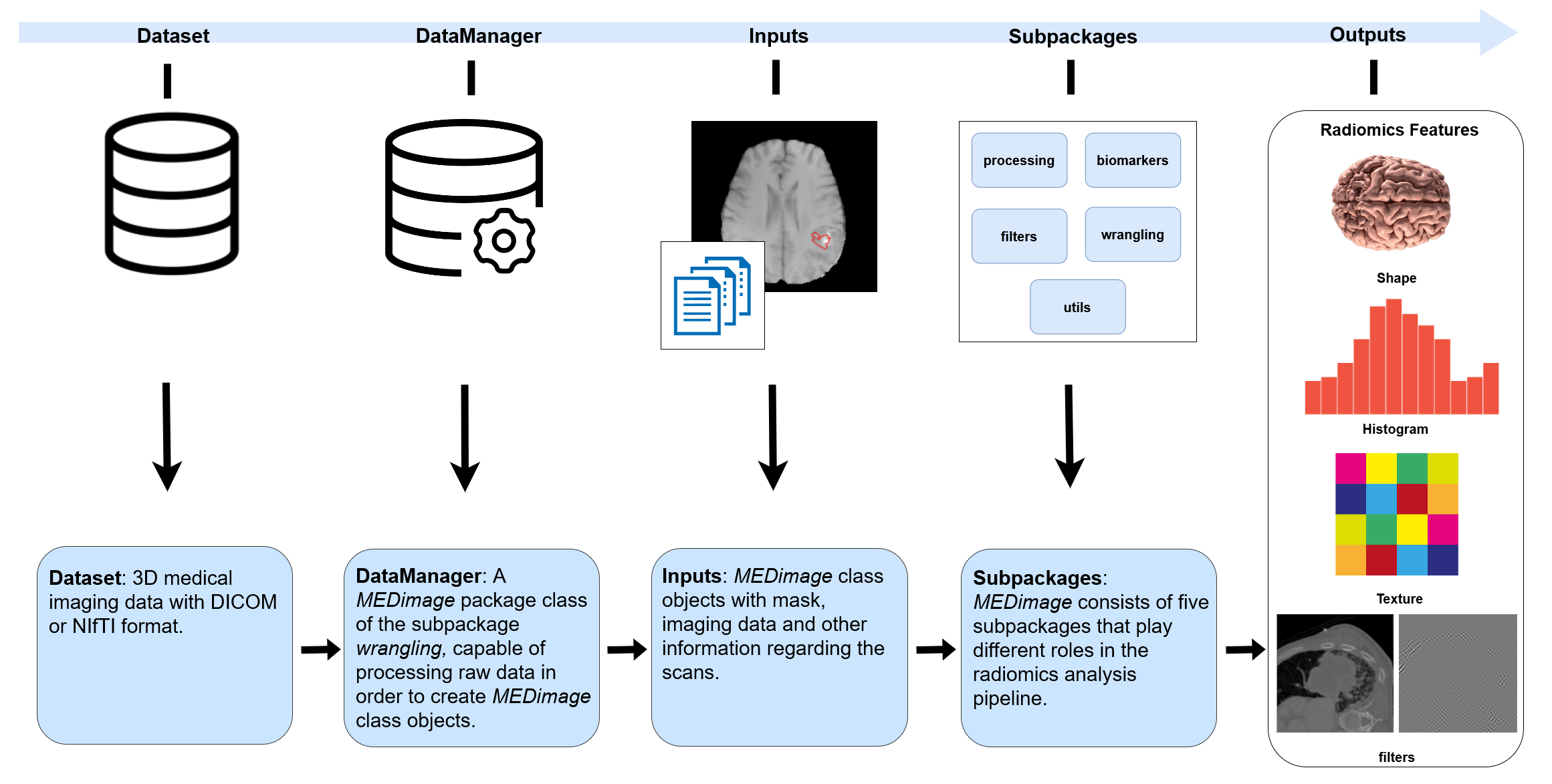
Development of a methodological review on statistical inference and distributed learning in health
Methodological review detailing statistical inference and distributed learning approaches in health research.
View Project
Random forests in a distributed learning context
Bachelor's capstone implementing and evaluating federated random forests in a distributed setting.
View Project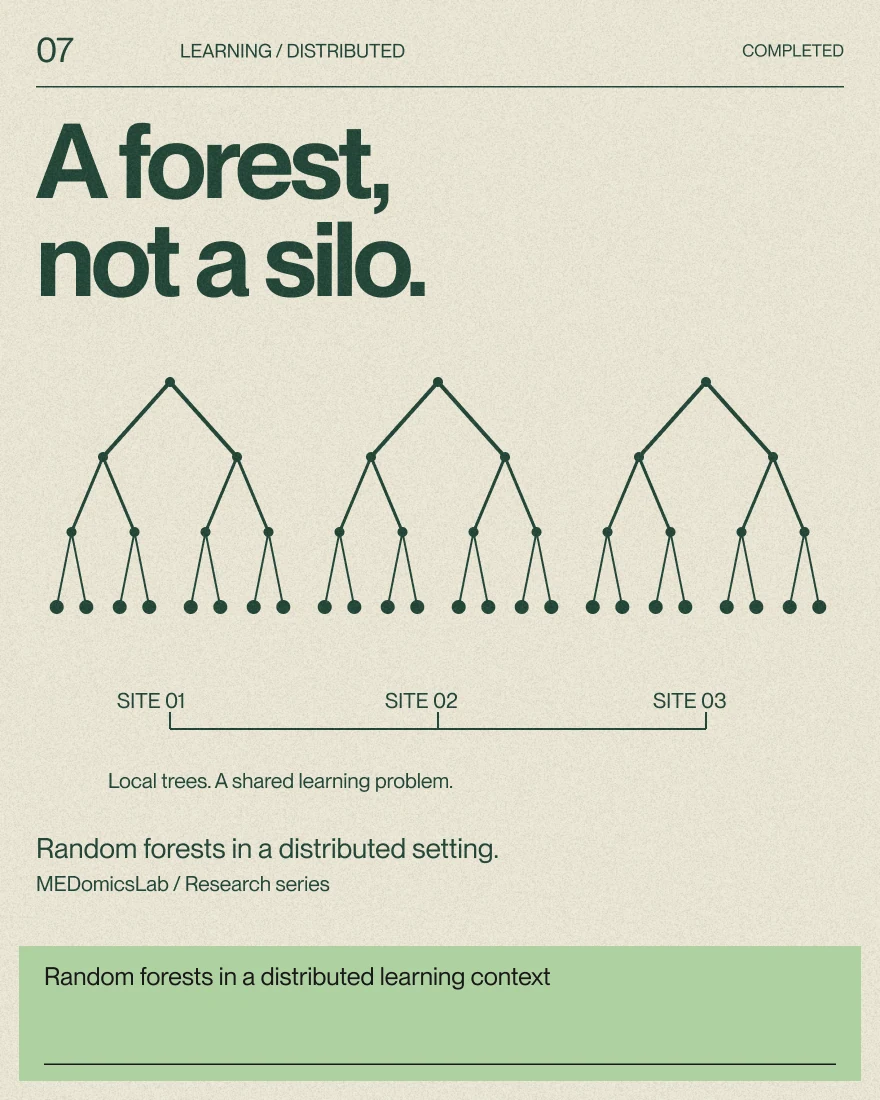
Graph neural networks for predicting patient mortality within one year of hospital admission
Graph neural network approach to predict one-year mortality and support end-of-life care discussions.
View Project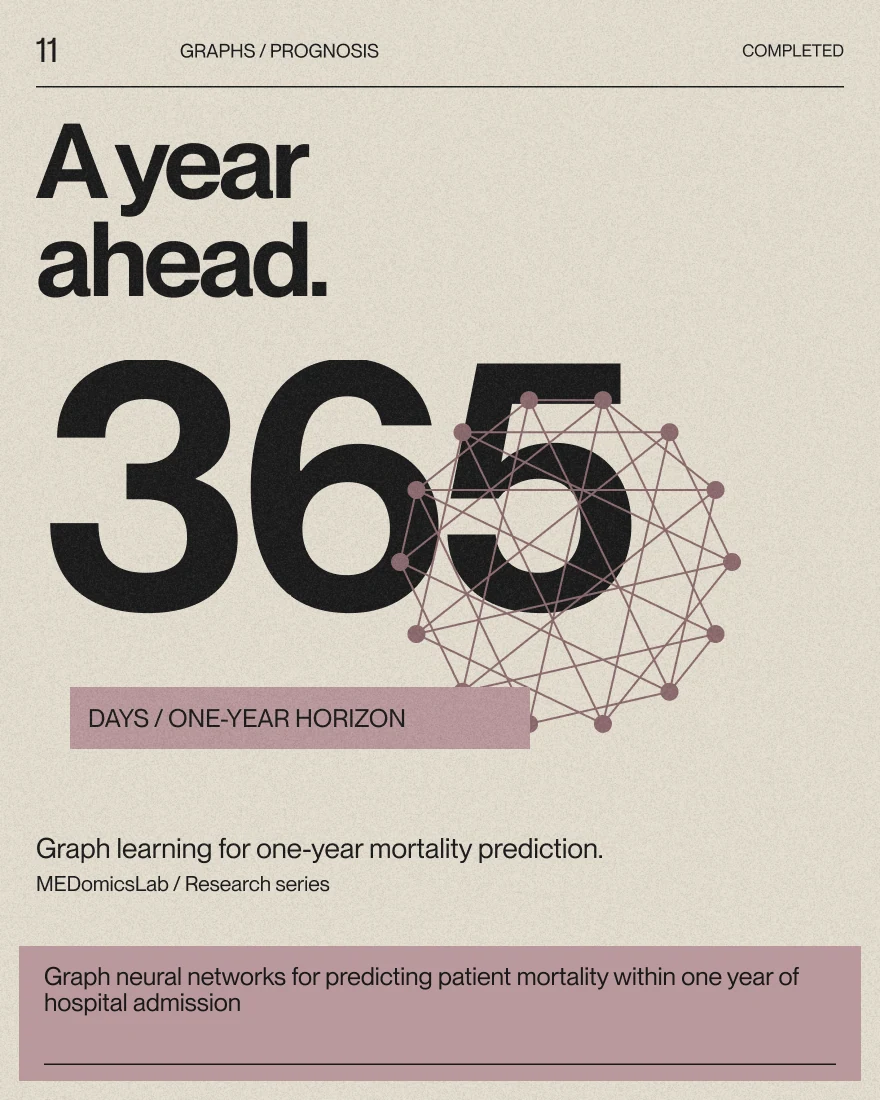
Development of artificial intelligence techniques for the automated identification of electrical energy assets
AI-assisted detection of electrical fuses and symbols to automate interpretation of engineering drawings and photos.
View Project
Radiomics for the management of small renal masses
Radiomics and clinical data integration to classify benign versus malignant small renal masses.
View Project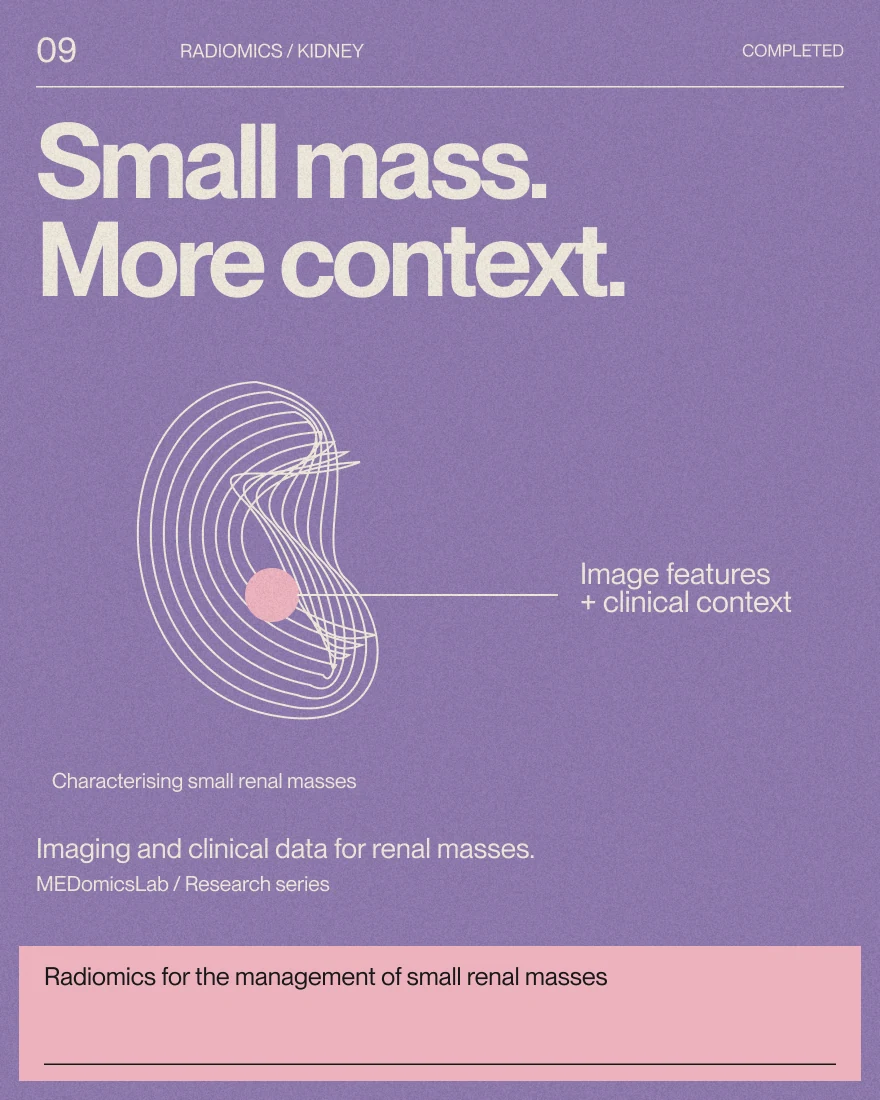
Multi-task learning for image classification of renal tumors
Multi-task learning framework for renal tumor malignancy, subtype, and grade classification with MRI data.
View Project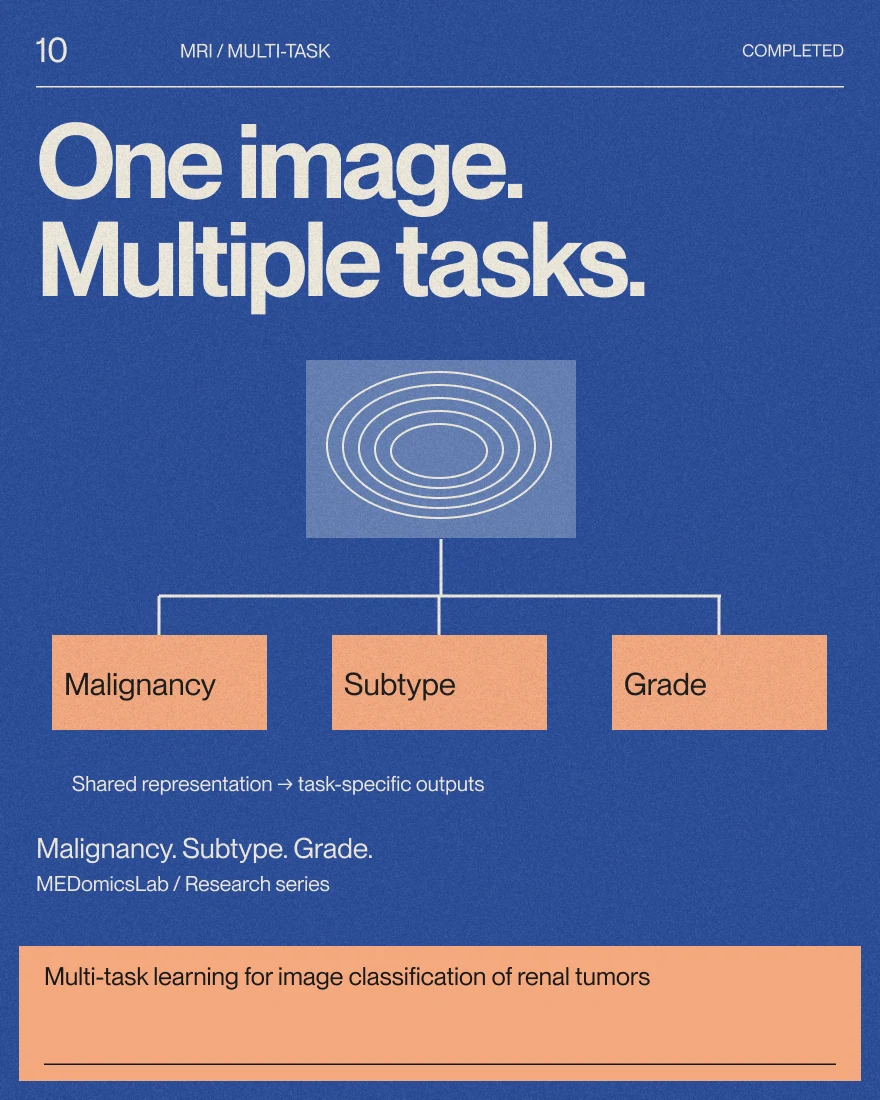
Resilient predictive models based on quantitative imaging to guide prostate cancer treatment
Robust imaging-based models for prostate cancer treatment guidance using CT and PET modalities.
View Project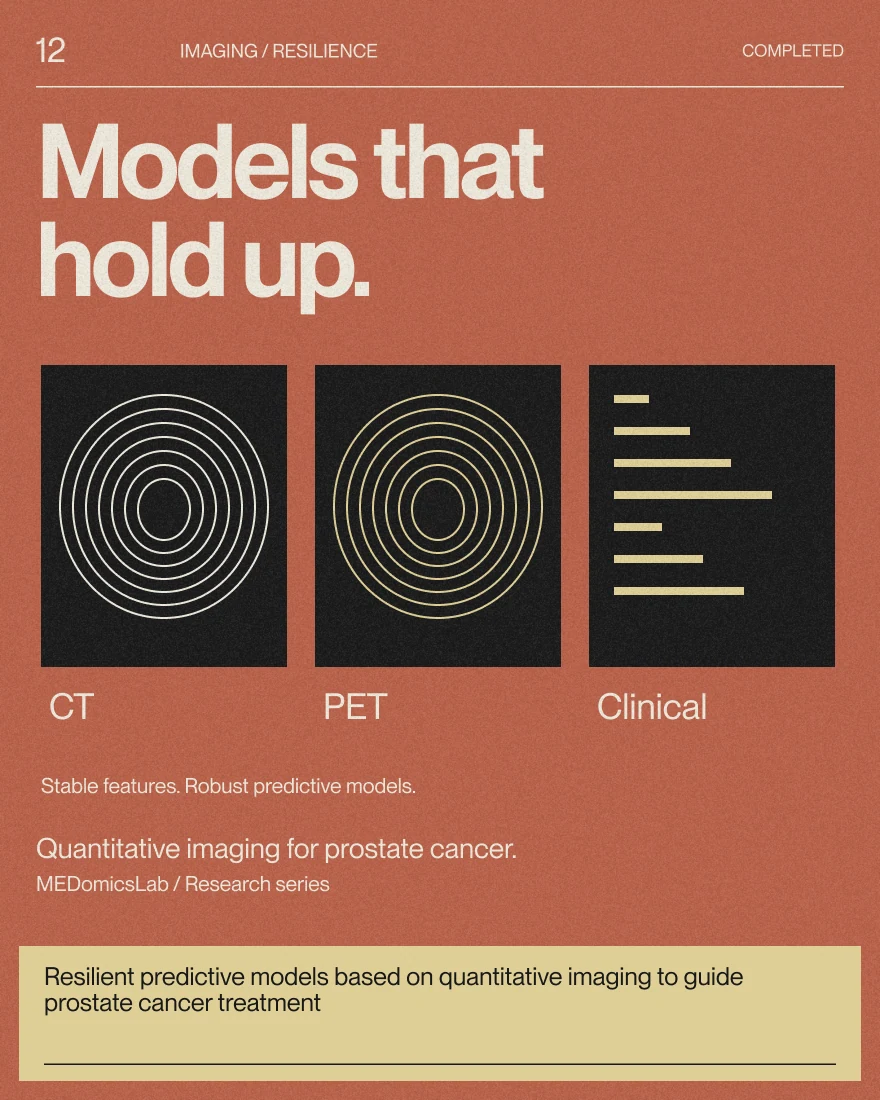
Analyzing the Complexity of Radiomics: Approaches for Simplified Modeling
Systematic study of radiomic feature complexity across imaging modalities for precision oncology tasks.
View Project
Machine learning strategies for the diagnostic and the prediction of late adverse effects related to childhood lymphoblastic leukaemia treatment.
Machine learning models for late adverse effects in childhood ALL survivors, focusing on VO2max and obesity prediction.
View Project